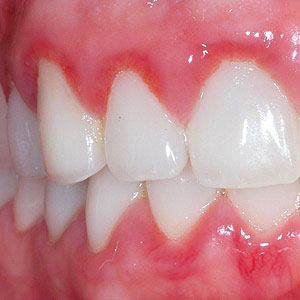
It often begins without you realizing it. Spreading ever deeper into the gums and damaging tissue attachments, teeth, and supporting bone in its way. In the end, it could cause you to lose your teeth. This is periodontal (gum) disease, a bacterial infection caused by dental plaque, a thin biofilm that accumulates on tooth surfaces. It, in turn, triggers chronic inflammation, which can cause the gum attachments to teeth to weaken. Detaching gum ligaments may produce diseased voids—periodontal pockets—that can widen the gap between the teeth and the gums down to the roots.
One primary treatment objective for gum disease is to uncover and remove any and all plaque and tartar (hardened plaque). If the infection has advanced no further than surface gum tissues, it may simply be a matter of removing plaque at or just below the gum line with hand instruments called scalers or ultrasonic equipment.
The disease, however, is often discovered in more advanced stages. The initial signs of swollen, reddened or bleeding gums might have been ignored or didn’t appear. Even so, the objective of plaque and tartar removal remains the same, albeit the procedures may be more invasive.
For example, we may need to access areas deep below the gum line surgically. This involves a procedure called flap surgery, which creates an opening in the gum tissues resembling an envelope flap. Once the root or bone is exposed, we can remove any plaque and/or tartar deposits and perform other actions to boost healing.
Antibiotics or other antibacterial substances might also be needed to stop an infection in advanced stages. Some, like the antibiotic tetracycline, can be applied topically to the affected areas to stop inflammation and infection directly. Others, like mouth rinses with chlorhexidine, might be used to fight bacteria for an extended period.
Advanced Gum Disease
Although effective, treatment for advanced gum disease may need to continue indefinitely. The better approach is to focus on preventing gum infection through daily brushing, flossing, and regular dental cleanings. And at the first sign of problems with your teeth and gums, see us as soon as possible. The earlier in the disease progression that we can begin treatment, the better the outcome.
If you would like more information on preventing and treating gum disease, please contact us or schedule an appointment for a consultation. You can also learn more about this topic by reading the Dear Doctor magazine article “Treating Difficult Areas of Periodontal Disease.”