
Bonding
Crowns & Bridgework
Fillings
Oral Cancer Screening
Orthodontics
Invisalign
Periodontal Disease Therapy
Porcelain Veneers
Professional Teeth Cleanings
Removable Dentures
Restorative Dentistry
Root Canal Treatment
Sealants
Teeth Whitening
TMD
Tooth Extractions

Are you experiencing persistent pain near your ear, jaw, or facial muscles? Is it accompanied by clicking, popping sounds, or limited jaw movement? You could be dealing with TMD (Temporomandibular Disorders).
While TMJ refers to the temporomandibular joint (your jaw joint), TMD describes conditions that cause pain or dysfunction in this joint or its surrounding muscles. The good news is most TMD cases can be managed with conservative, non-invasive treatments.
Understanding TMD
The temporomandibular joints (TMJs) connect your lower jaw (mandible) to your skull, enabling movement in three dimensions. These complex joints rely on a system of muscles, ligaments, and a cushioning disk to function smoothly. When any of these components experience strain, inflammation, or damage, TMD symptoms can arise.
Causes of TMD
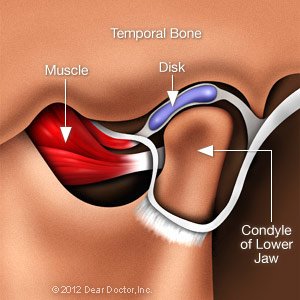
TMD can result from several factors, including orthopedic issues like inflammation, muscle soreness, or disk problems in the jaw joint. Genetics, age, and gender also play a role, as women are more prone to TMD, especially as they age. Stress, both physical and psychological, can contribute to habits including clenching or grinding, which put pressure on the joints. Additionally, jaw pain may sometimes stem from conditions like fibromyalgia, which cause widespread muscle and connective tissue pain.
Signs and Symptoms
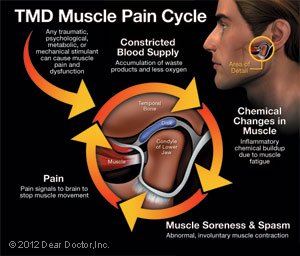
TMD symptoms vary widely from person to person, but common signs include:
- Pain in the Jaw Area: Persistent discomfort in the jaw, face, or near the ears is a hallmark symptom.
- Clicking or Popping Sounds: The jaw may produce noticeable noises during opening or closing. This is often due to a shifting disk inside the joint. While clicking alone isn’t always concerning, it becomes a bigger issue when paired with pain or limited movement.
- Difficulty Moving the Jaw: You may feel stiffness or find your jaw “locking” in an open or closed position, making everyday tasks like eating or speaking challenging.
- Headaches and Earaches: TMD-related muscle strain often causes headaches, earaches, or a sensation of fullness in the ears.
- Facial Muscle Pain: Soreness or stiffness in the cheeks or temples is another common symptom. Morning soreness can signal nighttime clenching or grinding.
- Tooth Sensitivity: Excessive clenching or grinding can lead to worn enamel and tooth sensitivity, even if no other dental issues are present.
- Neck and Shoulder Pain: Tension in the jaw muscles often radiates, causing discomfort in the neck or shoulders.
If you’re experiencing any combination of these symptoms, it’s time to seek a professional evaluation at Cherokee Dental Professionals to determine the root cause and find relief.
Relief and Treatment
After a comprehensive examination, your dentist can create a personalized treatment plan tailored to your symptoms. Many cases of TMD can be effectively managed with non-invasive strategies. A soft diet can reduce stress on the joints, while ice or moist heat therapy can relieve inflammation and soreness. Gentle stretching exercises may help relax tight muscles, and medication like non-steroidal anti-inflammatory drugs (NSAIDs) or muscle relaxants can ease pain.
For those who clench or grind their teeth at night, a custom-made nightguard is an excellent solution. It protects your teeth, reduces pressure on the jaw, and allows the muscles to relax while you sleep.
Advanced Treatment Options
Start Your Journey to Relief
Most TMD cases improve with conservative treatments, so it’s important to explore these options before considering irreversible procedures. The first step is a comprehensive examination at our dental office. Contact Cherokee Dental Professionals today to schedule an appointment and start your path to pain relief.