Category : Jacksonville Tx dentist

Maintaining Your Porcelain Veneers: Tips for Longevity and Durability

Summary:

Porcelain veneers are a popular option among individuals opting for cosmetic dentistry. 

Nearly 59.51% of individuals in America turn to porcelain veneers to enhance the appearance of their smile. This is mostly due to the prosthetics’ ability to cover stains, chips, and misalignment.  

Interestingly, however, you need to care for your veneers like natural teeth. When not maintained adequately, these thin shells will lose their luster and aesthetics, giving you an unpleasant smile.
Maintaining Your Porcelain Veneers: Tips for Longevity and Durability_1

Keeping the same in mind, we’ve developed practical tips and tricks to ensure the appliance’s longevity. Continue reading as we learn more about maintaining the appliance with topics like:

  • Understanding the Lifespan of Dental Veneers
  • Practical Tips for Maintaining Your Porcelain Veneers
  • Monitoring and Addressing Potential Issues Early
  • How Long Do Veneers Last?

Let’s understand the appliance in detail as we learn more about these topics in the following sections. 

Understanding the Lifespan of Dental Veneers

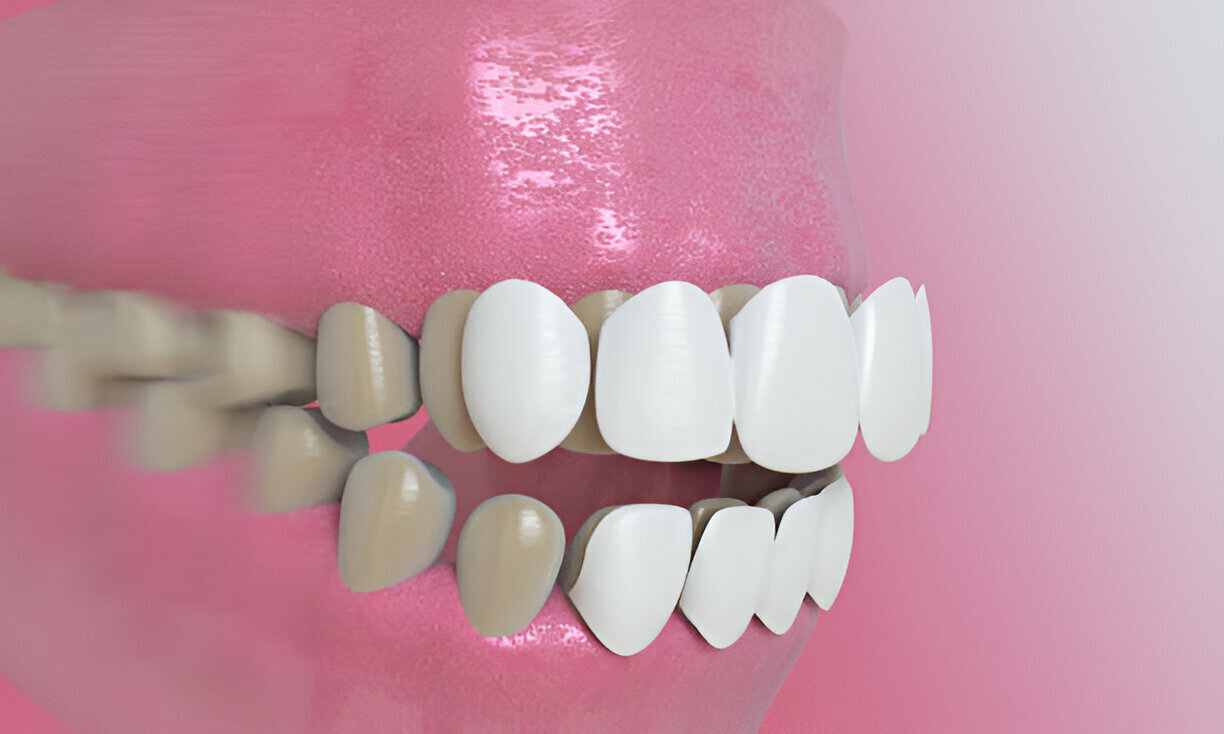
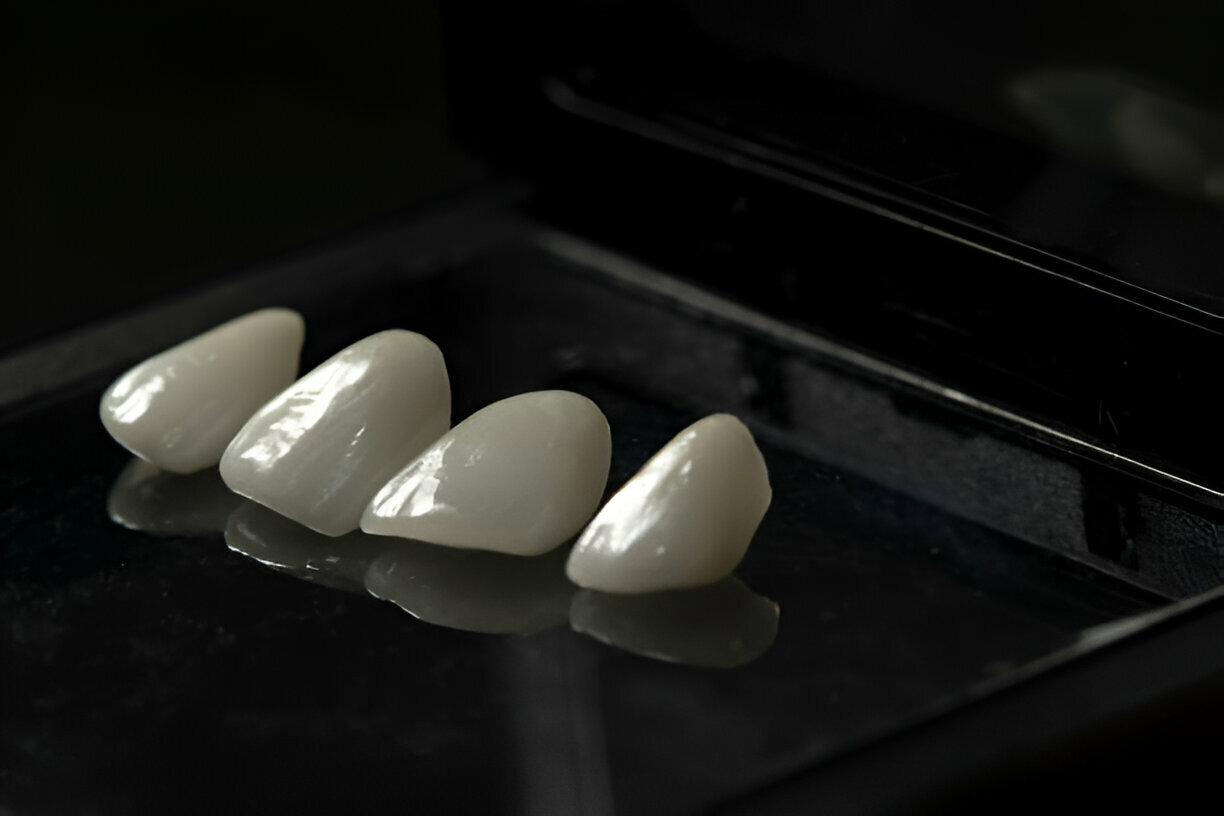
Dental veneers are thin, custom-made porcelain or composite resin shells attached to teeth’s front surfaces. Dentist for veneers in Jacksonville, TX, generally suggest these prosthetics to individuals who want to improve teeth appearance. It addresses concerns such as discoloration, unevenness, and slight misalignment. 

Thanks to their robust build, veneers can last for a decade or more (when cared for appropriately). This makes them an excellent long-term choice for smile improvement.

Interestingly, however, several factors influence the appliance’s longevity. We will learn more about them in the following section. 

Factors Influencing The Longevity of Veneers

  • Oral Hygiene: Proper oral hygiene is critical for the longevity of dental veneers. Veneers dentists suggest that brushing twice daily with a non-abrasive toothpaste and regular flossing can help prevent plaque formation and lower the risk of deterioration surrounding veneers.
  • Avoiding Excessive Force: While veneers are resilient, extreme force can still damage them. Biting on complex objects, using teeth as tools, and clenching and grinding (bruxism) are all bad behaviors that can damage or chip veneers over time.
  • Dietary Habits: Certain dietary habits might affect the lifespan of dental veneers. Reduce your consumption of foods and beverages that discolor or erode dental enamel, such as coffee, tea, red wine, and acidic meals. Using a straw to sip acidic or pigmented liquids can help limit contact with the veneers.
  • Regular Dental Checkups: Routine dental appointments are necessary to monitor the health and condition of dental veneers. Your dentist can detect any problems early on and provide the required care to extend the life of your veneers.

Practical Tips for Maintaining Your Porcelain Veneers

Regular Oral Hygiene is Key

Maintaining excellent oral hygiene is the primary factor determining the durability of dental veneers. Like natural teeth, veneers are susceptible to the buildup of plaque and tartar, which can cause gum disease and discoloration. 

To ensure that your veneers last a lifetime:

  • Use a nonabrasive toothpaste and a soft-bristled toothbrush to clean your teeth at least twice daily.
  • Floss the space between your teeth and the region surrounding your veneers daily to remove plaque and food particles.
  • After eating, rinse your mouth with an alcohol-free mouthwash to eradicate bacteria and freshen your breath.

We also suggest contacting your Cherokee Family Dental expert if you experience any inconvenience. 

Choose the Right Dental Products

Selecting the right dental products can significantly impact the longevity of your dental veneers. Choose a toothpaste with minimal to no abrasives to prevent scratching your veneers’ porcelain surface. Your cosmetic dentist can suggest the best oral care products for veneer maintenance.

Avoid Stain-Causing Foods and Beverages

Your veneers may change color over time due to eating and drinking certain things known to stain teeth. Limit your consumption of tea, coffee, red wine, and dark fruit to keep your veneers white. If you must indulge, do so with caution and thoroughly wash your mouth afterward.

Wear a Mouthguard

Consider wearing a mouthguard if you grind your teeth at night or participate in contact sports. These activities may harm dental veneers, so you must protect your teeth. Your dentist can create a customized mouthguard to prevent your veneers from chipping or breaking.

Regular Dental Check-Ups

You must see the dentist regularly to check your dental veneers and general oral health. Your dentist can identify issues early on and provide the required maintenance. During these sessions, your veneers may be expertly cleaned and polished to keep them spotless and tidy.

Avoid Chewing on Hard Objects

Anything too hard to bite or chew on, such as fingernails, ice, or pencils, should not be done. Subjecting your veneers to such extreme pressure can cause damage or dislodging. If you want to maintain your dental veneers, stick to soft foods.
Maintaining Your Porcelain Veneers: Tips for Longevity and Durability_2

Be Mindful of Teeth Grinding

Bruxism, sometimes called teeth grinding, can impact veneers and natural teeth. If you grind your teeth at night, ask your Jacksonville, TX, dentist about a personalized sleep guard to safeguard your veneers.

Monitoring and Addressing Potential Issues Early

Regularly inspecting dental veneers near you is critical for early diagnosis of damage or degeneration of your appliance. Be on the watch for the following signs that may require treatment from your dentist:

  • Chips, cracks, or fractures in veneers can jeopardize their structural integrity and beauty.
  • Changes in the color or texture of the veneers suggest discoloration or deterioration.
  • Gum recession or inflammation around the veneers might suggest an underlying problem with the veneers or neighboring teeth.

If you see any of these signs or symptoms, contact your dentist as soon as possible to resolve the issue and prevent future damage to your veneers.

How Long Do Veneers Last?

The durability of dental veneers varies depending on various factors, including the type of veneers used, their maintenance, and each individual’s oral health. 

Porcelain veneers can last for ten to twenty years or more with proper care. However, veneers may eventually need to be altered or repaired because they are not considered permanent treatments. 

A few essential elements that can affect how long veneers last are:

  • Teeth grinding 
  • Veneer material 
  • Accidents and trauma 
  • Oral hygiene 
  • Diet and lifestyle
  • Professional care and maintenance 
  • Natural wear and tear

Individuals may have varied expectations regarding dental veneers. While some people can use their veneers for many years without issue, others may require maintenance or replacement more frequently. Consult a dentist near you for personalized guidance on maintaining your veneers over time.
Maintaining Your Porcelain Veneers: Tips for Longevity and Durability_3

Takeaway

  • Porcelain veneers are a popular option among individuals opting for cosmetic dentistry. 
  • With proper care, porcelain veneers can last for ten to twenty years or more. 
  • Regularly inspecting dental veneers near you is critical for early diagnosis of damage or degeneration of your appliance.
  • Get the most out of your smile with experts who understand its importance. Contact our experts at Cherokee Dental Professionals to discuss more today! 
Understanding Root Canals: How They Work and Why They Save Teeth

Summary:

Do you suspect a root canal system infection? Has your endodontist suggested RCT as a last resort to secure oral health?

Relax, you’re not alone! Over 15 million people receive root canal treatment every year and report no major problems afterward.

Understanding Root Canals: How They Work and Why They Save Teeth_1

Root canal is a procedure at Cherokee Family Dental that removes a tooth’s pulp, which contains nerves, connective tissues, and blood vessels. The treatment is focused on preserving your oral health and supporting tooth growth in your jaw.

Yet, most people suffer in silence or seek home remedies because they aren’t fully aware of root canal treatment. 

Keeping this in mind, we have compiled this article where we shall delve into topics like:

  • A Brief Discussion On Root Canal Therapy
  • Unlocking The Amazing Benefits Of Root Canal Therapy
  • How Does Root Canal Therapy Work? – Procedures Exlained!
  • Know The Risks Involved In Root Canal Therapy

Continue reading to understand how root canals work in the following sections. 

A Brief Discussion On Root Canal Therapy

A root canal is a dental procedure that addresses issues with the inner part of a tooth called the pulp. This treatment becomes necessary when the pulp becomes infected or damaged due to various factors, such as severe cracks, decay, or trauma. 

The infection can lead to severe pain and potentially form abscesses if left untreated. Root canals are essential for saving a tooth from extraction, relieving pain, and restoring oral health while preserving the tooth’s function and structure.

Unlocking The Amazing Benefits Of Root Canal Therapy

The procedure of root canals in Jacksonville, TX, is designed to save severely damaged or infected teeth. Understanding the merits of this treatment can clear your doubts and help you understand its significance in dental care. 

Here are the benefits of a root canal you should know:

Root Canal Can Manage Toothache

Have you ever woken up with excruciating pain in your teeth or gums? Root canal therapy can relieve severe tooth pain caused by infection or decay. The treatment removes the infected tissue and addresses the root cause of discomfort, restoring comfort and functionality to the tooth.

Root Canal Can Preserve Your Natural Teeth

Toothache and decay ultimately lead to tooth loss. Unlike tooth extraction, which involves complete removal, root canal therapy aims to preserve the natural tooth structure. This helps maintain dental alignment and prevents adjacent teeth from shifting, ensuring oral health.

Understanding Root Canals: How They Work and Why They Save Teeth_2

Root Canal Can Prevent Infection From Spreading

Infected teeth can harbor harmful bacteria, posing risks of further complications and systemic health issues. Root canal treatment eliminates the infection or the spread of bacteria, safeguarding your overall health.

Root Canal Can Restore Your Oral Functionalities

You may face problems while chewing food or experience extreme sensitivity if you have a damaged and decayed tooth. Root canal therapy can help you regain normal function in your teeth. Patients can bite, chew, and speak without discomfort with the infection removed and the tooth sealed.

Root Canal Can Improve Your Smile

Root canal therapy can also enhance the appearance of damaged teeth. Placing a crown or filling that matches the natural tooth color and shape restores the tooth’s aesthetics, improving the patient’s smile and confidence.

How Does Root Canal Therapy Work? – Procedures Explained!

Stage I: Initial Assessment and Diagnosis

The journey begins with a comprehensive examination by a skilled Jacksonville, TX, dentist. Your dentist will use advanced diagnostic tools and X-rays to evaluate the extent of the damage or infection within the structure. This assessment helps formulate a tailored treatment plan for the patient.

Stage II: Anesthesia Administration

Individuals with complicated dental conditions and complications may experience slight pain or discomfort during the root canal treatment. 

That is why dentists administer local anesthesia to ensure the patient’s comfort throughout the procedure. This numbs the affected area, alleviating any potential discomfort or pain.

Stage III: Access Opening and Pulp Tissue Removal 

Once the anesthesia takes effect, the dentist creates an access opening in the tooth’s crown. This opening grants access to the infected pulp chamber and root canals. 

Once they have a clear opening, your root canal dentist will remove the infected or damaged pulp tissue. This step is crucial in eradicating the source of infection and preventing its spread.

Stage IV: Cleaning and Shaping

After removing the pulp tissue, our dentist thoroughly cleans and shapes the root canals in your mouth. They use specialized instruments to eliminate bacteria, debris, or infected tissue remnants. 

After cleaning your root chamber, the dentist will shape the canals and seal the cavity. This cleaning and shaping procedure helps preserve the other teeth in your cavity and improve your smile. 

Stage V: Filling The Root Canals

Once the canals are immaculately cleaned and shaped, our dentists fill them with gutta-percha. It is a biocompatible material that seals off the root canals, preventing recontamination and accelerating healing. Filling is usually done to safeguard the tooth against external elements. 

Know The Risks Involved In Root Canal Therapy

Root canal therapy is a standard dental procedure to save severely infected or damaged teeth. However, it entails certain risks you should be aware of before treatment. 

Here’s an overview of the different risks associated with the treatment: 

Possibility Of Infection Residue

Despite the meticulous efforts of the dentists, some bacteria may remain within the intricate network of the tooth’s root canals. This residual infection can lead to persistent discomfort or reinfection of the treated tooth over time.

Risk Of Tooth Fracture

There could be a tooth fracture if your tooth is already weakened due to extensive decay, trauma, or previous dental work. Removing infected or damaged tissue may further weaken the tooth, increasing the chances of tooth loss. 

Understanding Root Canals: How They Work and Why They Save Teeth_3

You May Experience Post-treatment Discomfort

After root canal therapy, you may experience discomfort or sensitivity in the treated tooth and surrounding tissues. This discomfort typically resolves within a few days to weeks as the tissues heal. If it persists, consider visiting our dentists to address your issue.

May Damage Your Surrounding Teeth

Adjacent structures, such as nerves, blood vessels, or neighboring teeth, may be damaged during the root canal process. Our dentist can minimize this risk by using advanced imaging techniques and skilled procedures.

Takeaway

  • Root canal therapy effectively addresses severe tooth pain caused by infection or decay by eliminating the infected tissue.
  • Root canal therapy aims to preserve the natural tooth structure, prevent dental misalignment and the shifting of adjacent teeth, and contribute to overall oral health.
  • Root canal therapy enables patients to regain normal tooth function, allowing them to bite, chew, and speak without discomfort by removing infection and sealing the tooth.
  • Although painless, dentists may still administer local anesthesia to minimize pain and discomfort. 
  • While root canal therapy is standard, it carries risks such as potential infection residue, tooth fracture, post-treatment discomfort, and damage to surrounding structures.
  • Think you have excruciating oral pain? Don’t wait for the matter to worsen. Connect with our experts at Cherokee Dental Professionals for the right course of treatment. 

How Long Does a Root Canal Procedure Take?

Root canals are dental procedures to save a severely infected or damaged tooth. While the idea of a root canal may conjure up images of lengthy and uncomfortable dental visits, modern techniques, and advancements have significantly improved the process.

Gone are when you had to stay rested for weeks to execute the oral treatment. Thanks to modern professionals and their procedures, root canal treatments have become much less time-consuming and hassle-free. 

The Anatomy Of A Tooth

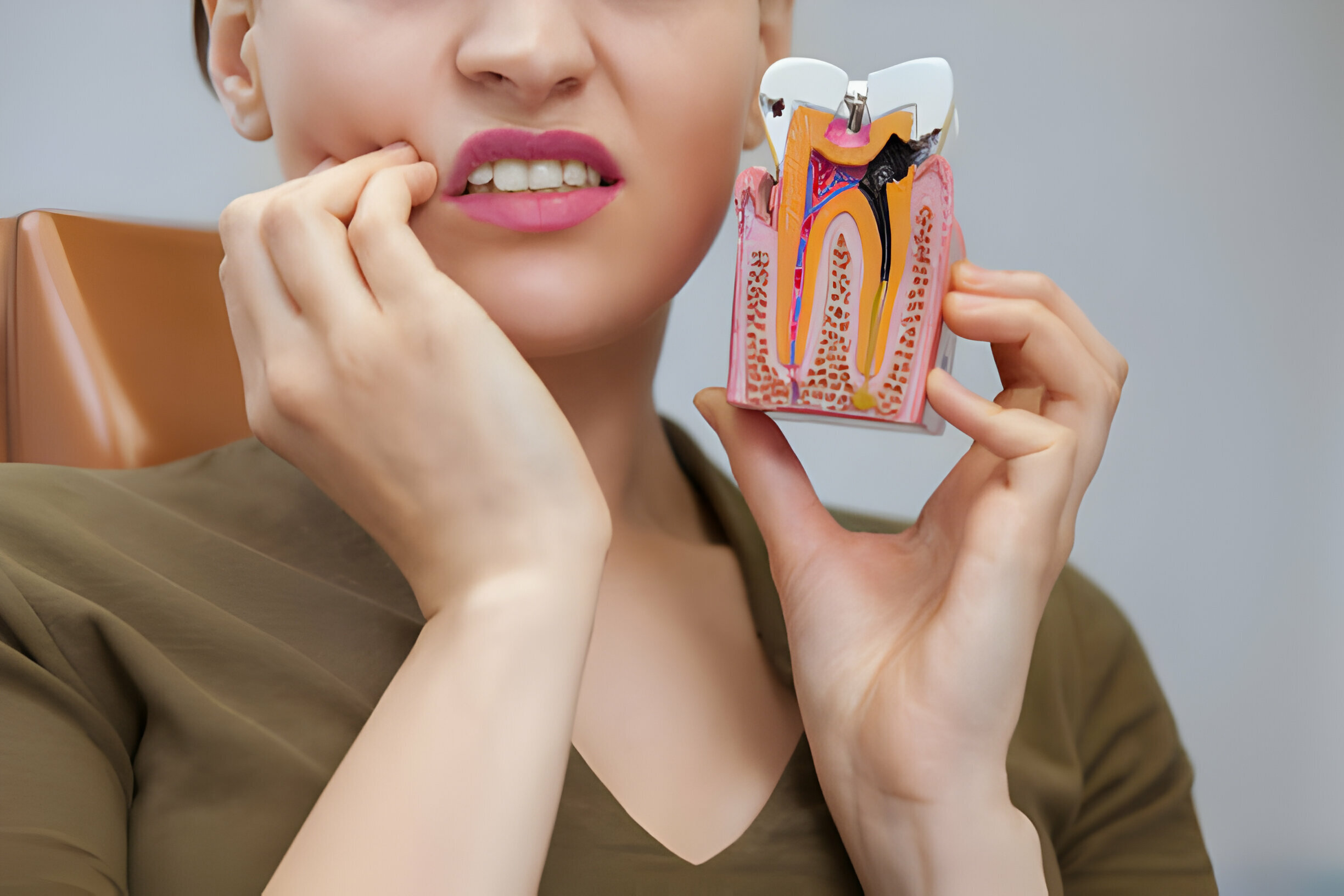
Before discussing the duration of a root canal in Jacksonville procedure, it is essential to understand the structure of a tooth. A tooth consists of multiple layers—the enamel, dentin, pulp, and root. 

The enamel forms the outermost protective layer, followed by the dentin, a hard layer beneath the enamel. The pulp at the tooth’s center contains nerves, blood vessels, and connective tissues. The root extends from the pulp to the jawbone, anchoring the tooth.

If you’ve been told that you need a root canal, you might wonder about the length of the root canal procedure. Root canals are essential dental treatments to save infected or damaged teeth. While the idea of a root canal may evoke apprehension and concerns about time, understanding the typical duration can help ease your worries. 

This article will delve into how long a root canal procedure usually takes, ensuring you understand the timeframe involved in the treatment.

The Timeframe For A Root Canal Procedure

Various factors come into play regarding the duration of a root canal procedure. Although it’s challenging to provide an exact time frame as each case is unique, we can outline the general length of the treatment. 

On average, a root canal time procedure can take up to 60 to 90 minutes per appointment. It’s important to note that some complex cases or severe infections may require multiple visits to ensure thorough treatment.

Understanding The Root Canal Time Procedure

To comprehend why the procedure of a root canal takes a specific length of time, let’s explore the steps involved in the treatment:

  1. Initial assessment: Before proceeding with the root canal, your dentist will conduct a comprehensive examination and may request X-rays to evaluate the extent of the infection or damage to the tooth.
  2. Local anesthesia: To ensure your comfort throughout the procedure, your dentist will administer local anesthesia to numb the area around the affected tooth.
  3. Accessing the pulp: The dentist will create a small access hole in the tooth, either through the crown for the back teeth or through the back of the tooth for the front teeth. This allows access to the pulp chamber and root canals.
  4. Pulp removal: The Jacksonville, TX, dentist will carefully remove the infected or damaged pulp from the tooth’s root canals and pulp chamber using specialized instruments. This step is crucial to eliminate the source of infection and alleviate pain.
  5. Cleaning and shaping: After the pulp removal, the dentist will meticulously clean the root canal system, ensuring all debris and bacteria are thoroughly eliminated. Additionally, they will shape the canals to facilitate effective filling and sealing.
  6. Filling and sealing: The cleaned and shaped root canals will be filled with a biocompatible material known as gutta-percha. Combined with dental adhesive, this material effectively seals the canals, preventing reinfection.
  7. Temporary filling: In certain cases, a temporary filling may be placed on the access hole to protect the tooth until a permanent restoration, such as a dental crown, can be fitted.
  8. Permanent restoration: Depending on the condition of the treated tooth, a follow-up visit may be necessary to place a permanent restoration, such as a dental crown, to restore the tooth’s functionality and protect it from further damage.

Factors Affecting The Timeline Of Root Canal Procedure

Several factors can influence the length of a root canal procedure, namely:

Tooth Location:

The position of the affected tooth in your mouth can impact the time required for the procedure. Back teeth often have more root canals and complex root structures, making the process more time-consuming than front teeth.

The Severity Of Infection Or Damage: 

The extent of the infection or damage within the tooth can affect the duration of the procedure. If the infection has spread to the surrounding tissues, additional steps may be necessary to ensure proper cleaning and disinfection.

Patient Cooperation: 

Your cooperation during the procedure is vital to the overall time required. Remaining still and following the dentist’s instructions will lead to a smoother and more efficient treatment process.

Single Or Multiple Visits: 

While some root canal procedures can be completed in a single visit, complex cases or severe infections may necessitate multiple visits to ensure comprehensive and effective treatment.

Now You Know

While the precise duration of how long root canals take varies depending on numerous factors, the typical treatment time ranges from 60 to 90 minutes per appointment. 

By familiarizing yourself with the steps involved in a root canal procedure and understanding the factors that influence the duration, you can approach the treatment confidently and reduce anxiety. 

Remember, a root canal is crucial to save your tooth from extraction and preserve your long-term oral health.

Sign Up For A Hassle-Free Root Canal Procedure Today

At Cherokee Dental Professionals, we aim to provide hassle-free and quick root canal treatment to all our patients. Our state-of-the-art equipment and professionals with years of experience bring you efficient root canal results in no time. Book your appointment today. 

Does Chipped Tooth Cause Decay?

A chipped tooth can ruin your smile aesthetics, making you more self-conscious about your facial appearance. But did you know there can be more serious concerns related to a chipped tooth? A simple tooth enamel chip may turn into something serious, such as tooth decay and cavities!

Sounds scary? The good news is you can prevent it! Even if it appears to be a cosmetic concern that affects your smile aesthetics, it may affect your dental health on a deeper level. If you don’t address a jagging tooth enamel on time, be ready to face the consequences, which may lead to a loss! Therefore, it’s wiser to immediately consult a dentist specializing in tooth fillings Jacksonville Texas, even if there’s a tiny chip in tooth.

Causes of Chipped Tooth

Some common factors leading to tooth chipping include –

  • Tooth decay, such as cavities, which weaken the tooth structure
  • Bad bites, such as overbite, underbite, crossbite, etc., cause clashes between your upper and lower jaws
  • Traumatic injuries to the face include accidents, falls, or blows from sports balls or other objects.
  • Bad oral habits, such as teeth grinding or clenching, etc., weaken the tooth, causing fractures
  • Biting hard objects or foods like ice, hard candies, pens, etc.
  • Improperly fitted silver fillings that are not compatible with your tooth’s enamel

Why Should I be Concerned About a Chipped Tooth?

A chipped tooth may result in one or more of the following consequences –

  • Tooth sensitivity: Sadly, a jagged tooth can lead to tooth decay, which may gradually increase tooth sensitivity. Damaging teeth may show up the internal tooth nerves since the outer protective enamel is chipped off. Hence, you may have sensitivity to hot, cold, pressure, acidic, and sweet foods and drinks.
  • Cuts in your mouth: A chipped tooth exposes sharp edges that can cause cuts in your mouth, including your tongue, cheeks, and gums. Sometimes, these wounds may be deep and painful, making your chewing and eating activities uncomfortable.
  • Bacterial infection: The biggest enemy of dental health is bacterial infection, which occurs due to the accumulation of food particles over time. Since a fractured tooth often becomes difficult to clean thoroughly, there are higher risks of bacterial infections. Deep tooth chips may also cause internal damage, abscesses, and even painful toothaches, often requiring root extractions or root canals.
  • Broken tooth: Even if you have a minor chip in your tooth, it is prone to further tooth breakage. That’s because the tooth fracture weakens the healthy tooth. Moreover, if you chew hard foods, this weakened tooth is open to gradual breakage. And as the saying goes, “A stitch in time saves nine” a damaging tooth requires even more extensive treatment procedures for repairing it rather than simply restoring a chipping tooth.

Is It Necessary to Treat a Chipped Tooth?

Even though you may not feel signs like tooth sensitivity or toothache, a chipped tooth should not be left untreated. It won’t take long for your broken tooth to collect bacteria, resulting in tooth decay. Your chipped tooth may collect food particles that are hard to remove, thus causing plaque and gradually leading to cavities.

So, the short answer would be a big ‘Yes’! You should see the dentist immediately, even if tooth fractures are minor. Because you never know what might have happened or whether there are any concerning internal damages. A chipped tooth has lost its strength and is prone to greater damages like breakages and deeper chippings.

When the chip is deep, it may reach the tooth pulp, comprising the connective tissue, nerves, and blood vessels. Once these suffer damage, these living tissues and blood vessels become infectious. As a result, this will lead to a gradual death. In short, to avoid tooth loss, you need to treat even minor tooth chippings.

Treatment for Chipped Tooth

The most common chipped tooth enamel treatment is that your Cherokee dentist will smoothen and polish the rough edges. Next, your dental team would use strong, tooth-colored dental bonding made of composite resins, used as tooth fillings to restore the tooth by filling the gaps. Since the bonding resembles your tooth’s natural shade, they render an overall natural appearance and function.

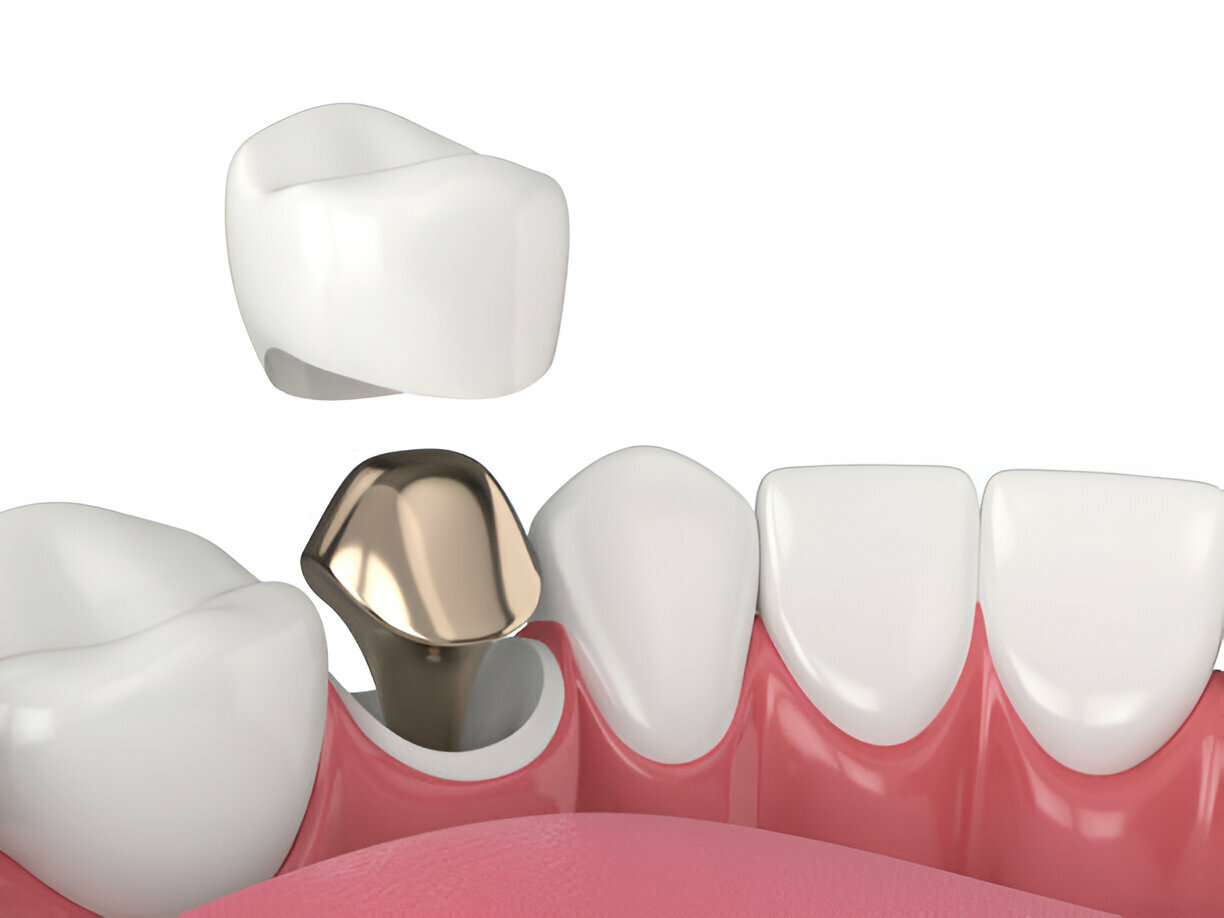
However, if the damage is severe, your dentist may restore your fragmented tooth with one or more treatment methods like onlays, crowns, or veneers. All these will restore your tooth’s normal function while preventing bacterial infection or inner tissue damage. And if the chipping affects your tooth pulp, your dentistry team may decide on treatments like tooth extraction or root canal.

Final Words

In a nutshell, if you wish to prevent chipped tooth decay or tooth loss, you should not delay treating your fractured tooth. Contact a certified Cherokee dentistry professional to help prevent further damage, such as infection or cavity, by restoring your chipped tooth on time. Now, it’s your responsibility to take care of your oral health and report dental issues as soon as possible! Don’t worry; tooth breakage is easier to treat in an early stage, so don’t avoid the dental clinic in your locality!